Mental Health Awareness
Not All Wounds Are Visible. Your Mental Health Matters.
At Aultman College, we know that college life can be exciting, but also stressful. Balancing classes, work, and personal life can take a toll. That’s why we’re committed to supporting the mental and emotional well-being of every student. Mental health is health, and we’re here to help you take care of it.
Free Teletherapy for Aultman Students
Aultman College has partnered with BetterMynds, a trusted teletherapy platform, to give students access to a diverse network of licensed counselors, all free of charge.
You’ll receive:
4 FREE 50-minute teletherapy sessions
Flexible scheduling from the comfort of your home
Counselors who understand college life and the challenges that come with it
If you have questions or concerns, contact Cynthia Martinez or Sue Shepherd for assistance.
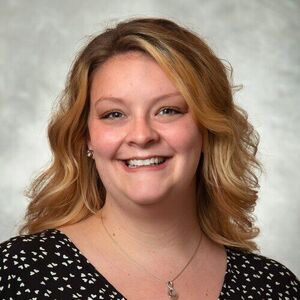
Cynthia Martinez
Student Success Services Coordinator
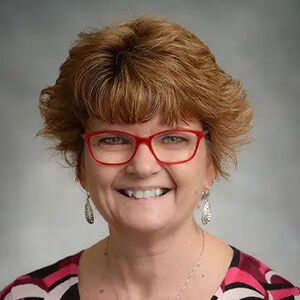
Sue Shepherd
Dean of Student Success, Title IX Coordinator, College Credit Plus
Helpful Resources
You’re never alone, help is always available. Below are resources to guide you through stress, crisis situations, and mental health challenges.
24-Hour Hotlines
Below are phone lines staffed with trained counselors 24/7. If you are in crisis, feeling suicidal, or need a safe, judgment-free place to talk, please reach out. These services are free, confidential, and available anytime. Day or night.
- 988 Suicide and Crisis Lifeline – Dial 988 or visit 988lifeline.org
- Crisis Text Line – Text HOME to 741741 to connect with a trained counselor
- National Alliance on Mental Illness (NAMI) Helpline – Call 1-800-950-NAMI (6264) or visit nami.org/help
- National Domestic Violence Hotline – Call 1-800-799-7233 or visit thehotline.org
- Substance Abuse and Mental Health Services Administration (SAMHSA) Helpline – Call 1-800-662-HELP (4357) or visit samhsa.gov/find-help/national-helpline
- Trevor Lifeline– Call 1-866-488-7386 or visit thetrevorproject.org
- Veterans Crisis Line – Dial 988 and press 1 or text 838255
If you ever need to talk, these hotlines are here to listen, no judgment, no cost, just support.
Community Resources
If you’re looking for local behavioral health and counseling services, the following community organizations in the Canton area provide compassionate, professional care for individuals and families.
Behavioral Resources for College Campuses
Coleman Professional Services
400 Tuscarawas St W #200, Canton, OH 44702
330-438-2400
Founded in 1978, Coleman Professional Services is a nationally recognized nonprofit dedicated to comprehensive behavioral health, residential, employment, and supportive services across nine Ohio counties. Named for Father Kevin Coleman, the organization continues his mission of faith and mental health advocacy.
Coleman offers whole-person treatment for children, adults, and families, regardless of ability to pay. Their team provides care that integrates behavioral health with social and employment support for long-term stability and growth.
CommQuest Services
1341 Market Ave N, Canton, OH 44714
330-453-8252
CommQuest provides a seamless network of support services designed to meet your needs all in one place. Their caring team works with you through every step of your mental health journey, offering a constant source of hope and support.
Services include:
- Mental health counseling
- Psychiatric services
- Case management
- Art therapy
- Intensive home-based treatment
- Trauma recovery
- School-based mental health programs
Barbara Fordyce, Ph.D. & Associates
4319 Hills and Dales Rd NW, Canton, OH 44708
330-492-2006
Barbara Fordyce and Associates is a private practice offering comprehensive mental health and personal growth services for individuals of all ages, children, teens, and adults. Their diverse team of professionals provides individualized therapy to support emotional wellness, personal growth, and healthy relationships.
Examples of services include:
- Couples and family counseling
- Stress management and coping strategies
- Treatment for depression and anxiety
- Career and performance coaching
- Support through loss, transition, and relationship challenges
Their team helps clients develop communication skills, overcome behavioral challenges, and improve motivation and well-being across all areas of life.
Visit Barbara Fordyce and Associates
Phoenix Rising Behavioral Healthcare & Recovery
624 Market Ave N, Canton, OH 44702
330-493-4553
Founded in 2005, Phoenix Rising is a private, nonprofit behavioral health agency accredited by the Joint Commission and certified by the Ohio Mental Health and Addiction Services Board. With over 100 staff members, they are dedicated to helping individuals make positive, lasting changes in their lives.
Services include:
- Outpatient psychiatric and counseling services
- Trauma-informed care
- Dual-diagnosis treatment (mental health and substance use)
- Individual, couples, family, and group therapy
- Case management for adults, children, and families
Their compassionate team of psychiatrists, nurse practitioners, counselors, and case managers works with clients to build coping skills, promote recovery, and support long-term wellness.
Additional Support Dealing with Disruptive Individuals
Disruptive behavior includes actions that threaten, intimidate, or violate social norms and can make others feel unsafe. It should never be ignored.
Key tips for handling disruptive behavior:
- Stay calm and wait out the peak of anger (usually 20–30 seconds).
- Set clear limits on acceptable and unacceptable behavior.
- Actively listen and acknowledge the person’s feelings.
- Call 911 if you feel threatened.
- Report the behavior to campus leadership or a supervisor.
What to avoid: ignoring, arguing, blaming, touching, or overextending yourself beyond your capabilities.
Dealing with Distressed Individuals
You may notice when someone is struggling or acting differently than usual. Your awareness and concern can make a difference and help connect them with campus or community resources.
Key Tips for Handling Distressed Individuals:
- Trust your intuition and approach the person with care.
- Speak privately and express concern in a non-judgmental way.
- Listen actively and acknowledge their feelings.
- Suggest appropriate resources or referrals.
- Maintain clear boundaries and recognize your own limits.
- Call 911 if there is immediate danger to the individual or others.
What to Avoid: ignoring behavior, minimizing the situation, or overextending yourself beyond your capabilities.
Mental Health First Aid Training
Learn how to identify, understand, and respond to signs of mental illness and substance use. Over 2 million people—including students, educators, and first responders—have been certified. The training covers the ALGEE action plan:
- Assess for risk of harm
- Listen non-judgmentally
- Give reassurance and information
- Encourage professional help
- Encourage self-help and support
Students can receive a 3-year certification by contacting the Student Success Services Coordinator at SSC@aultmancollege.edu.
10 Quick Tips for Mental Health
- Value yourself – Treat yourself with kindness and pursue hobbies.
- Take care of your body – Eat well, exercise, hydrate, rest, and avoid tobacco or harmful substances.
- Build support – Spend time with friends, family, or join groups and clubs.
- Volunteer – Helping others boosts well-being.
- Manage stress – Try meditation, journaling, walking, or other coping strategies.
- Relax your mind – Practice mindfulness or deep breathing.
- Set goals – Plan achievable steps for personal and academic growth.
- Change your routine – Small changes can refresh your perspective.
- Avoid alcohol and drugs – Substances can worsen problems.
- Seek help when needed – Professional care is effective and empowering.
Responding to Suicide Risk
Talking about suicide does not increase risk, it can save a life. If you’re concerned, it’s okay to ask directly: “Are you thinking about suicide?” or “Are you considering harming yourself?”
Warning Signs:
- Talking about death, hopelessness, or being a burden
- Withdrawing from friends and family
- Giving away belongings or displaying extreme mood swings
- Increased use of alcohol or drugs
- Reckless behavior or seeking means to self-harm
How to Help:
- Stay calm and listen without judgment.
- Take all concerns seriously—show care and empathy.
- Encourage hope and remind them that help is available.
- Connect them to support by calling 911, the 988 Suicide and Crisis Lifeline, or a trusted mental health professional.
- Stay with them until help is secured, if there is immediate danger.
Avoid:
- Ignoring warning signs, minimizing feelings, or trying to argue or “fix” the situation on your own.
Other Helpful Links:
- FreeRehabCenters.org
- Domestic Violence Project
- Ohio Drug and Alcohol Rehabilitation Sites
- Addictions.com
- StartYourRecovery.org
Need More Information?
For general questions or additional resources, reach out to the Student Success Services Coordinator at SSC@aultmancollege.edu.
Please note: This email is not monitored 24 hours a day and should not be used for urgent or crisis situations.